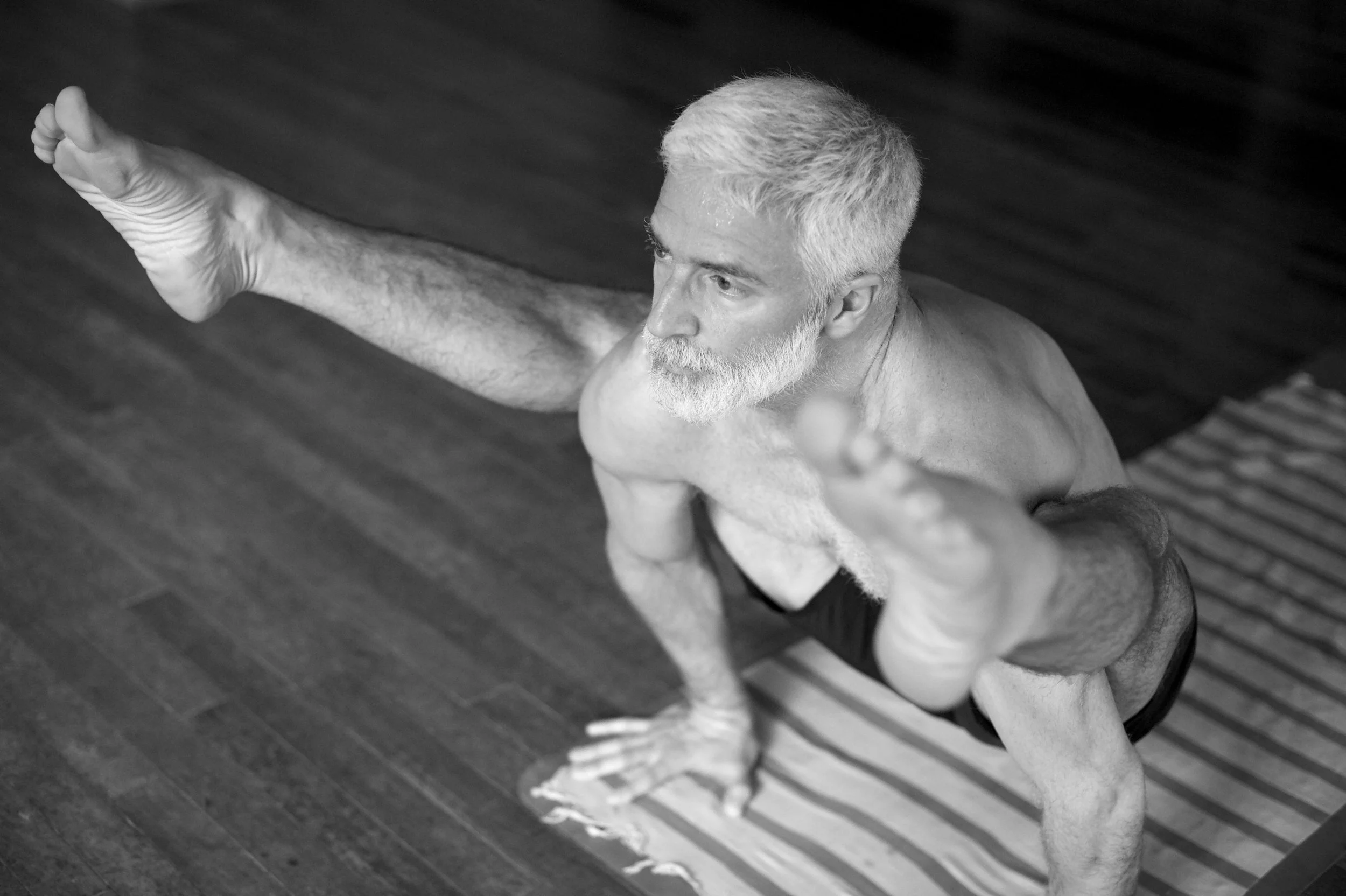
Ashtanga Yoga
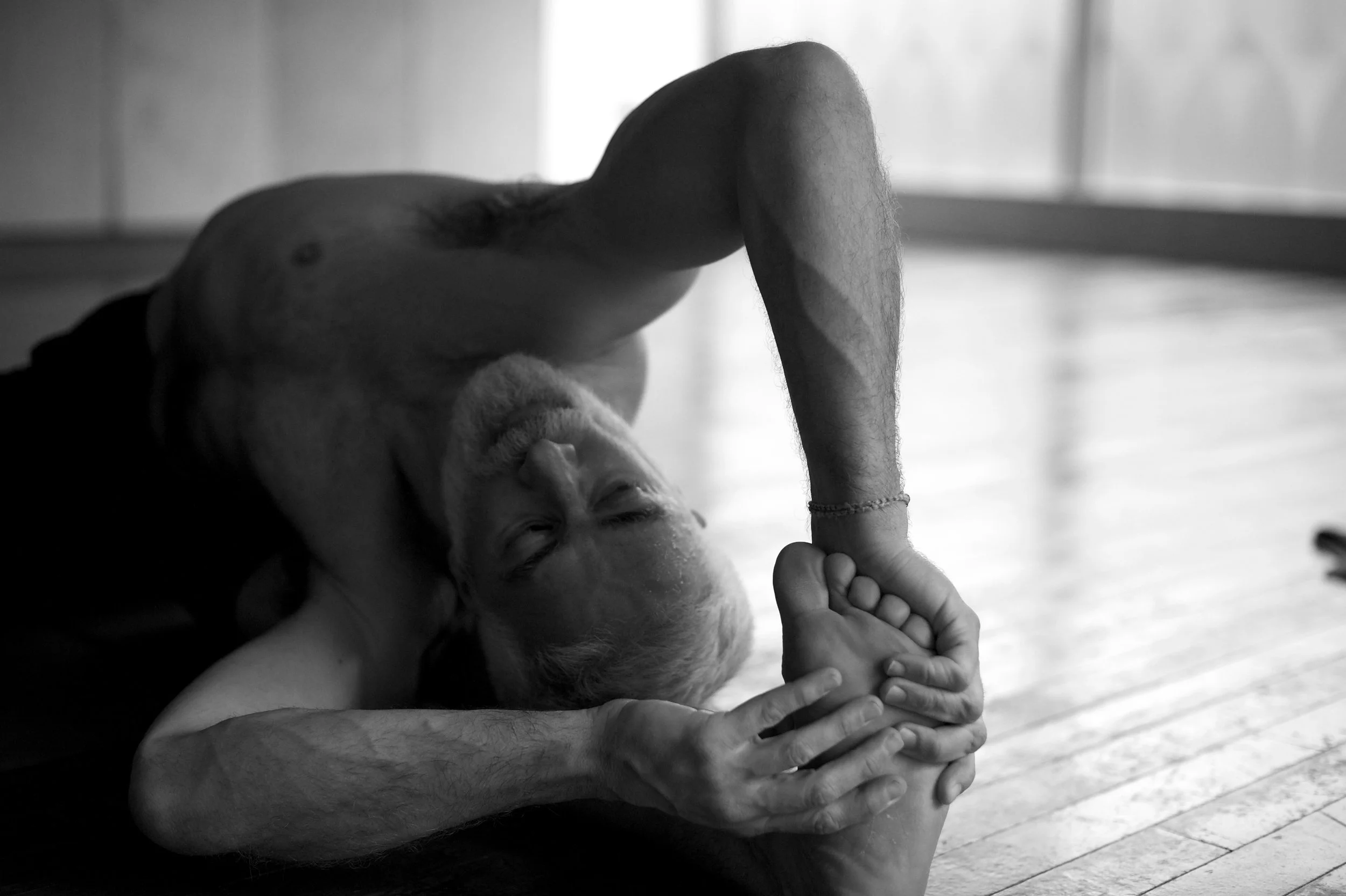
Unlocking the Power of the Breath
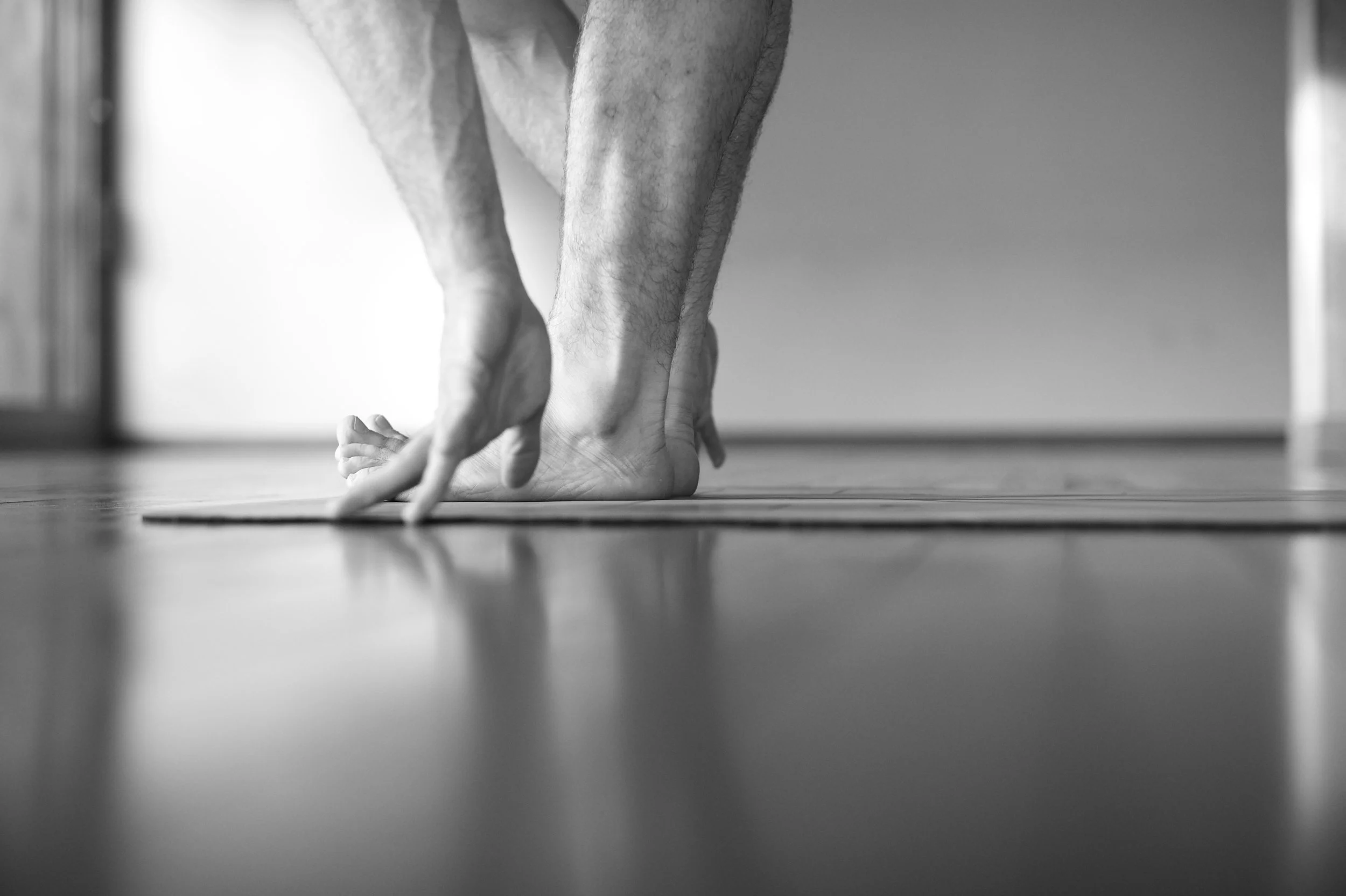
Ashtanga Yoga is a dynamic and transformative practice structured around set sequences of postures.
A cornerstone of this practice is the concept of Tristhana, which emphasises three areas of focus: breath (diaphragmatic breathing through the nose), posture (asana), and gaze (drishti). These elements work together to harmonise body and mind, creating a meditative flow that deepens both concentration and self-awareness, cultivating mental clarity and peaceful interoception. Vinyasa, the intentional synchronisation of breath and movement, links all postures and helps practitioners develop a powerful internal focus, making Ashtanga a profound moving meditation that also builds physical strength and mobility.
Ashtanga is traditionally taught in two ways: led classes, where students move through the sequence together under the guidance of a teacher, and Mysore-style practice, which allows practitioners to work at their own pace in a group setting. In a Mysore-style class, students receive personalised adjustments and guidance, making the practice accessible for both beginners and advanced yogis.
Whether you're new to yoga or have extensive experience, Ashtanga offers a unique pathway to holistic well-being. It’s a practice grounded in tradition yet evolving with each practitioner’s journey. The discipline, dedication, and mindfulness cultivated through Ashtanga create lasting physical, mental, and emotional benefits when respect and intuitive focus is applied.
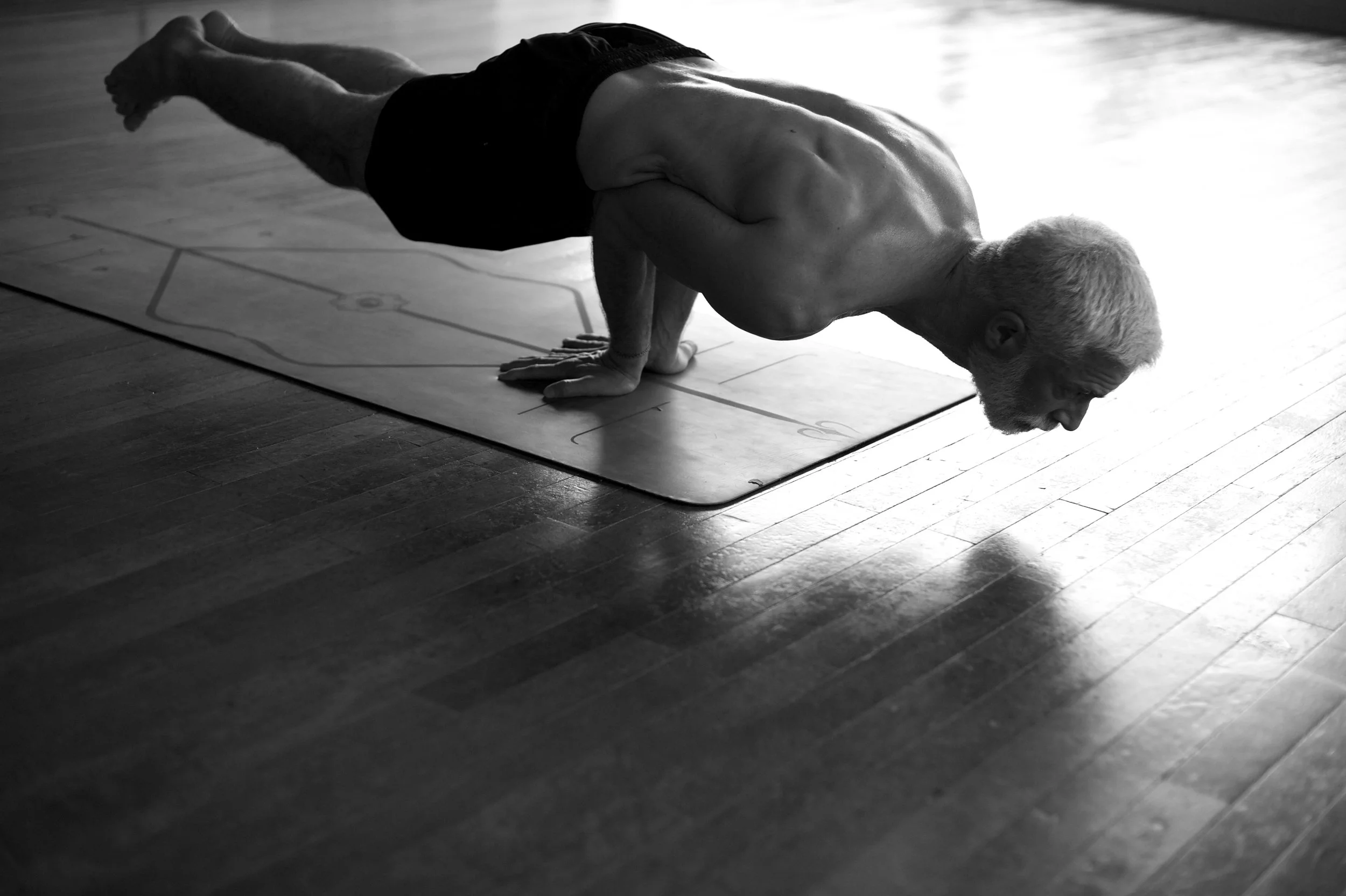
Mysore Style Ashtanga
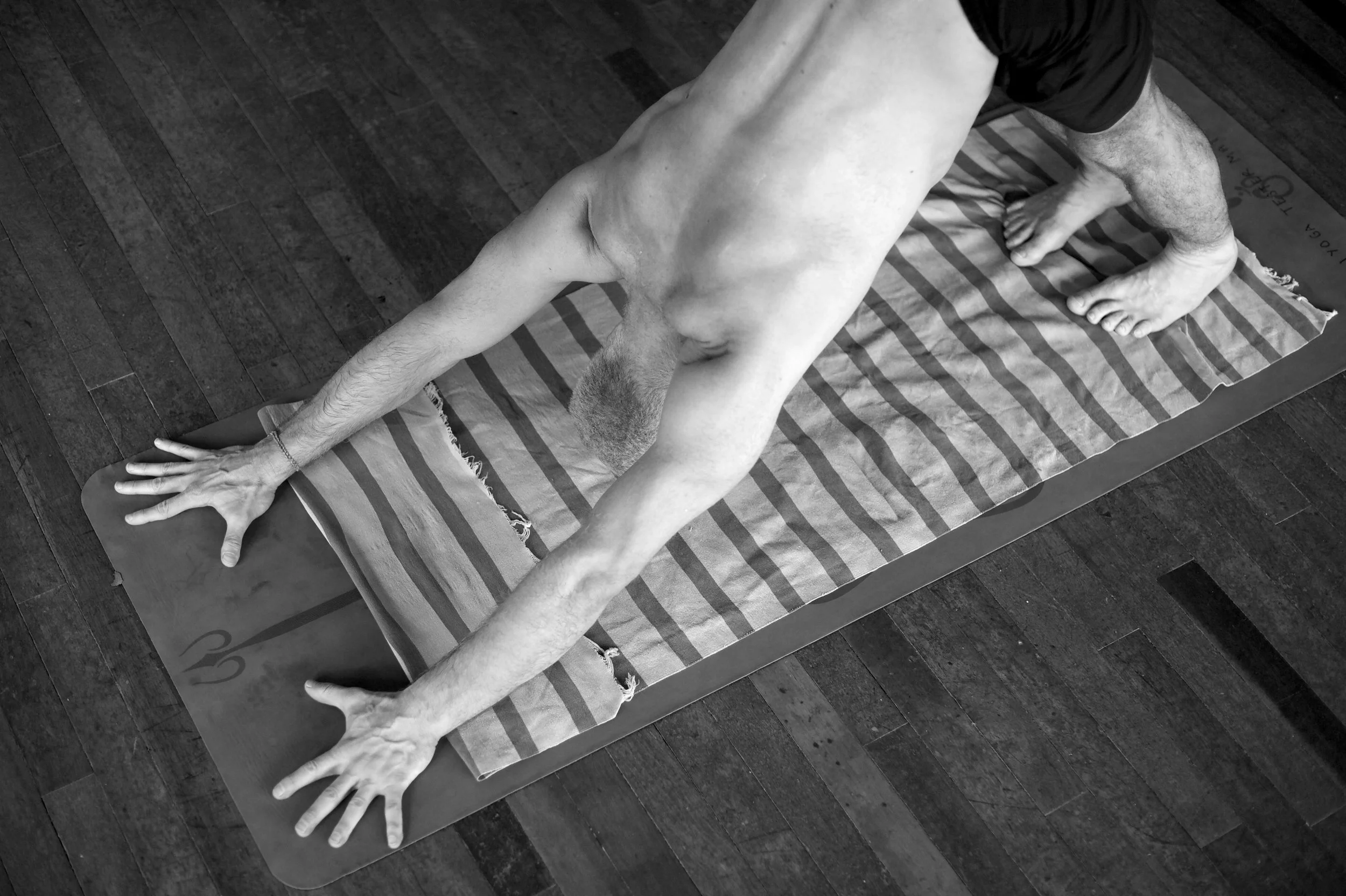
Ashtanga Yoga Self-Practice in West London
This is a traditional Mysore-style class where students move through the Ashtanga sequence at their own pace, with individualised guidance.
If you’re new to the practice, you’ll begin with a shorter sequence of postures that you can gradually memorise and build on over time. You’ll be supported step by step to develop a consistent, confident self-practice.
Pricing:
Individual session: £27
We currently offer 3 in-person sessions for £50 and unlimited online attendance for 2 weeks to new students.
Monthly and quarterly payment options available.
Booking: Just let me know when you’d like to come along for a chat or a practice – I’m happy to guide you through what to expect and help you get started.
In-Person Group Classes:
Essex Unitarian Church
112 Palace Gardens Terrace
London W8 4RT
Monday, Wednesday & Friday
8:00 – 10:00 am
(arrive anytime during this window)
Online Classes
via Zoom
Tuesday & Thursday
8:00 – 10:00 am
(Join anytime during the session)
Yoga Nidra
The Practice of Non-Sleep
Deep Rest
Yoga Nidra, often referred to as “Yogic sleep,” is a guided meditation practice designed to help you access a state of deep relaxation while remaining fully aware. It’s more than just rest; it’s a scientifically backed method that promotes stress relief, improves mental clarity, and supports emotional regulation by gently guiding the body and mind into harmony.
Through this effortless practice, you’ll explore the unique space between wakefulness and sleep, where communication between the conscious and unconscious mind expands. In this restful state, your brainwave frequencies shift, allowing the nervous system to relax deeply and reset, which is essential for reducing stress and fostering creativity.
Whether you’re new to mindfulness practices or a seasoned yogi, Yoga Nidra is an accessible and pleasant experience for everyone. Lying comfortably on your mat or resting in any position that suits you, you’ll be guided through calming breathwork and gentle body awareness techniques. The result? A profound sense of ease and relaxation that leaves you feeling refreshed and rejuvenated.
Many people find Yoga Nidra particularly valuable because it doesn’t require physical effort. In fact, the only thing you have to do is get comfortable and let the practice carry you into a space of profound rest and renewal. It’s ideal for those who struggle to switch off after a busy day, experience restless sleep, or simply seek a sanctuary from the fast pace of life.
Most common benefits of Yoga Nidra:
Stress Reduction: Yoga Nidra helps to reduce cortisol levels, offering a natural remedy for stress and anxiety.
Improved Sleep: This practice promotes better sleep quality by allowing the body to deeply relax, even during the daytime.
Enhanced Mental Clarity: As your brainwaves shift into the deeper frequencies, you’ll experience improved focus and creativity.
Emotional Regulation: By tapping into the subconscious mind, Yoga Nidra helps process emotions and cultivate inner peace.
Corporate
Corporate Servises
——